
Sustainability
Reusable bags and PPWR advice for chains and franchises
Want to move away from single-use bags? We supply reusable non-woven bags made of a single recyclable material, map your current packaging and assess it against European packaging legislation.
A sustainable partner for chains and franchise networks
Large organisations have to account for their packaging: to customers, to franchisees, to regulators and in their own sustainability reporting. A reusable bag is a concrete step in that, on one condition: it is only better for the environment if it is reused often enough. Our bags are made of mono-material polypropylene, are recyclable and are designed for intensive reuse. That is why we recommend them where customers really reuse the bag: delivery, groceries and retail. Every delivery comes with the material specifications you need. Unsure which material to choose? Read non-woven, paper or cotton: the differences.
We go beyond the product. As an adviser, we analyse the current bags and packaging within your organisation, assess them against the legislation and act proactively when rules or materials change. That way your organisation works as efficiently as possible and stays prepared for what is coming.
- Material specifications per batch
- Advice per model based on the PPWR and the SUP Directive
- Switch from single-use to reusable without write-offs
- Fewer items, less transport, lower emissions
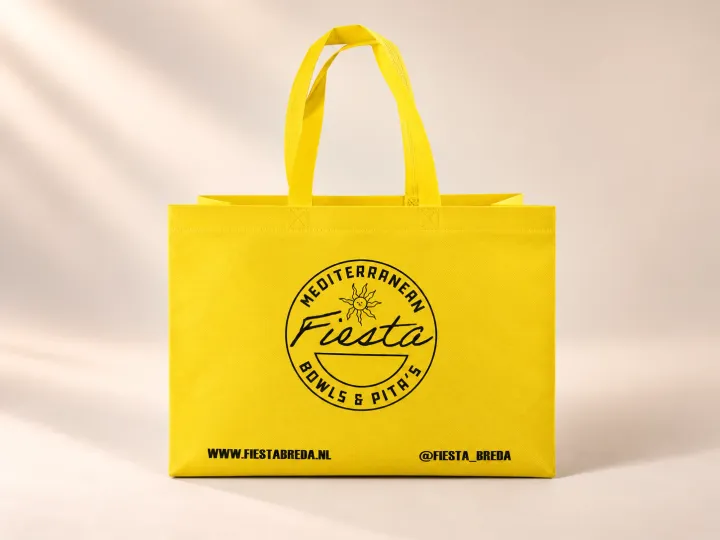
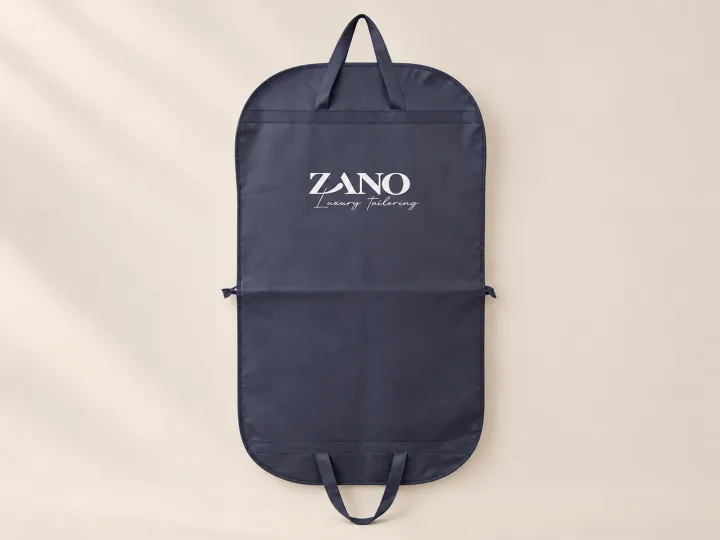
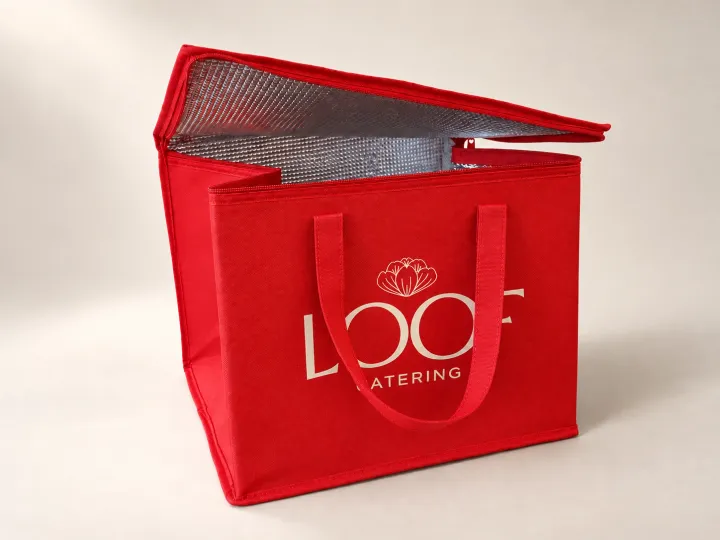
Packaging analysis and advice
For chains, franchise networks and organisations with multiple locations, we start with an analysis of the current situation. We then advise you and implement the changes step by step.
Analysis of your packaging flows
We bring all the bags and packaging within your organisation together in one overview: which models, which materials, which volumes and for which location. It often turns out that locations buy similar bags from different suppliers.
Advice based on legislation
For each product, we assess whether it is future-proof under the PPWR, the SUP Directive and national rules. Where it is not, we recommend a reusable alternative with specifications and a schedule for the switch.
Acting proactively
We follow changes in legislation and materials and propose adjustments before rules take effect. We align new production runs with your stock, so you do not have to write anything off.
Working more efficiently
Fewer item numbers, combined deliveries and fewer transport movements. That lowers costs and emissions at the same time, and makes reporting on your packaging simpler.
Questions about sustainability or legislation?
The Natusac team answers your questions about non-woven, rPET, recycling and the PPWR, and plans an analysis of your packaging flows with you. You will get a reply within one working day.
Send an emailor call +31 76 532 38 20
Sustainable materials in our range
Non-woven is a sustainable choice in itself: reusable, lightweight and made of a single material. These are the materials and finishes we work with.
Non-woven polypropylene
A single material, lightweight and tear-resistant. Easy to recycle at the end of its life.
rPET non-woven
Made from recycled PET bottles. The same strength and printability, with a lower impact.
Reusable instead of single-use
Designed for intensive reuse, where a single-use bag is thrown away after one use. The more often the bag is used, the lower the impact per use.
Mono-material
Bag, handles and stitching in the same material, so the bag can be recycled as a whole.
Print in one or two colours
Less ink and no extra layer. The most popular finish, and also the most understated in appearance.
Non-woven mailer bags
Reusable instead of single-use: non-woven mailer bags that the recipient keeps and uses as a bag.
Certificates: GRS (rPET non-woven), OEKO-TEX, BSCI/amfori
Ready for the PPWR and other packaging rules
What is the PPWR?
The European PPWR (Packaging and Packaging Waste Regulation, Regulation (EU) 2025/40) gradually sets requirements for all packaging on the European market: less material, more recycled content, better recyclability and, in some cases, reusability.
What does this mean for bags?
Lightweight plastic carrier bags are being phased out further and single-use packaging faces stricter requirements. If you switch to reusable bags now, you avoid having to write off stock at the moment the rules take effect.
How we prepare you
We follow the legislation closely, assess our models against it and recommend a reusable alternative for each application, including the specifications that buyers and regulators ask for.
We regularly publish updates on packaging legislation in our news section.
Frequently asked questions about sustainability
Is non-woven plastic?
Yes, PP non-woven is polypropylene, a plastic. The difference from a single-use bag is that it is made for reuse: thicker fabric, stitched handles and a bag that lasts dozens of uses instead of one.
Is a non-woven bag better for the environment than a plastic bag?
Only if it is reused often enough. A non-woven bag uses more material than a thin plastic bag; the benefit lies in the reuse. That is why we recommend non-woven where customers really keep the bag: delivery, groceries and retail. We only publish figures from life cycle assessments after we have checked them in the original report.
Our own operations
Sustainability does not stop at the product. We are mapping the emissions of our own organisation and reducing them step by step. Consolidated sea freight instead of separate shipments, full pallets and combined deliveries to our customers are part of that. We only publish figures once they have been measured.
What we ask of our suppliers, we do ourselves: demonstrably meet the requirements, and be open about where we stand and what the next step is.
Book a packaging analysis
Tell us briefly which bags and packaging you use and at how many locations. We will plan a meeting and come back with a concrete proposal.